Face-to-Face with Information: Media Literacy Workshop for Vendors and Coordinators
As part of Media Literacy Days 2026, Lice v lice organized a workshop for its vendors and coordinators, focusing on recognizing disinformation and fake news, fact-checking, and responsible content sharing.
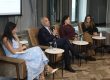
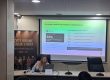
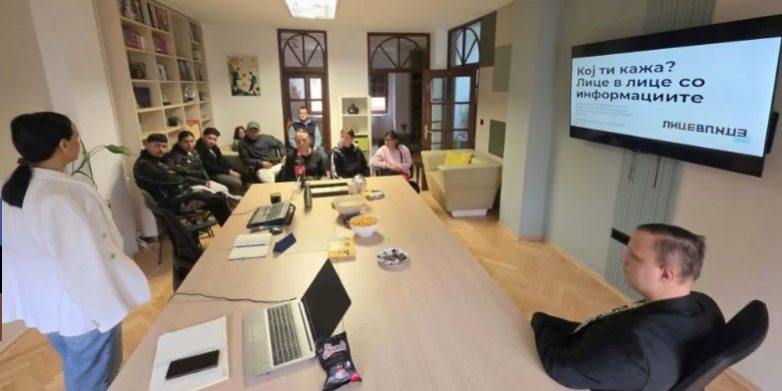
How can we tell whether the information we hear or read on social media is reliable? From everyday conversations to digital platforms, information is constantly circulating, but not all of it is verified, accurate, or complete. These were precisely the questions addressed at the workshop “Who Told You? Face-to-Face with Information – From Everyday Conversations to Social Media”, which Lice v lice held today at the premises of the Public organization.
The workshop was intended for vendors and coordinators of the Lice v lice distribution network and was part of the Media Literacy Days 2026 programme.
From Everyday Conversations to Verified Information
When we hear something from a friend, read it in a social media post, or receive it in a message, how often do we stop to check whether it is true? Do we distinguish facts from personal opinions, rumours from verified information, and disinformation from content we simply disagree with?
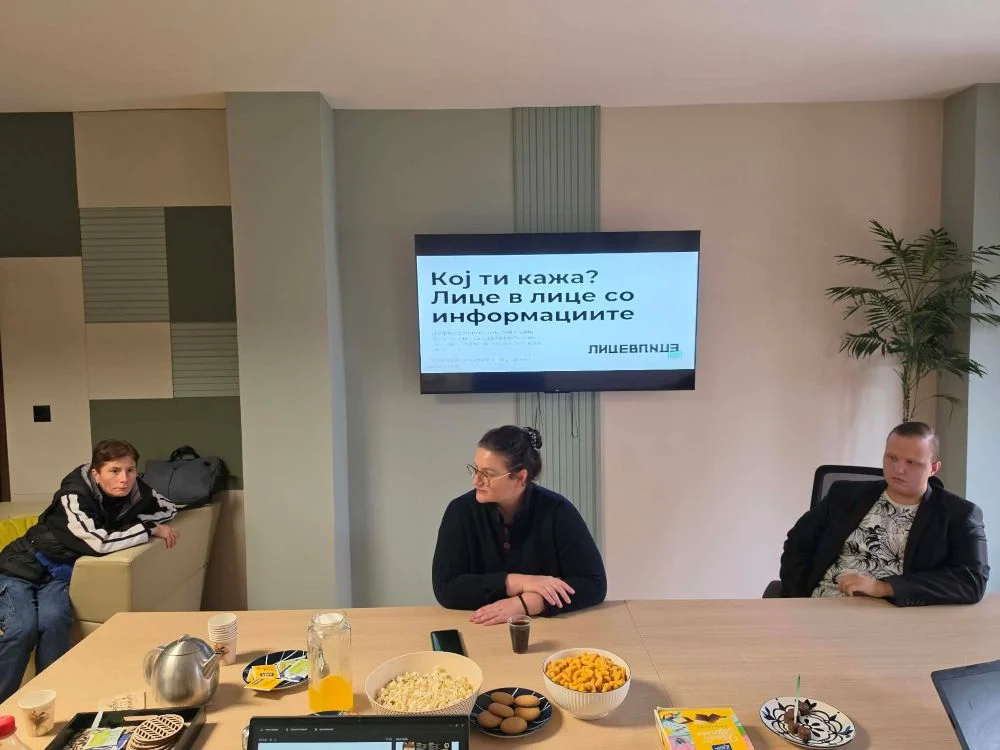
Through discussions and practical examples, participants had the opportunity to reflect on how we receive, interpret, and share information. The focus was also on the consequences of further spreading information, particularly when it comes to unverified claims that can influence opinions, decisions, and relationships within the community.
At a time when anyone can publish and share content with a wide audience, fact-checking and critical thinking are essential everyday skills.
Media Literacy Today – We All Play a Part
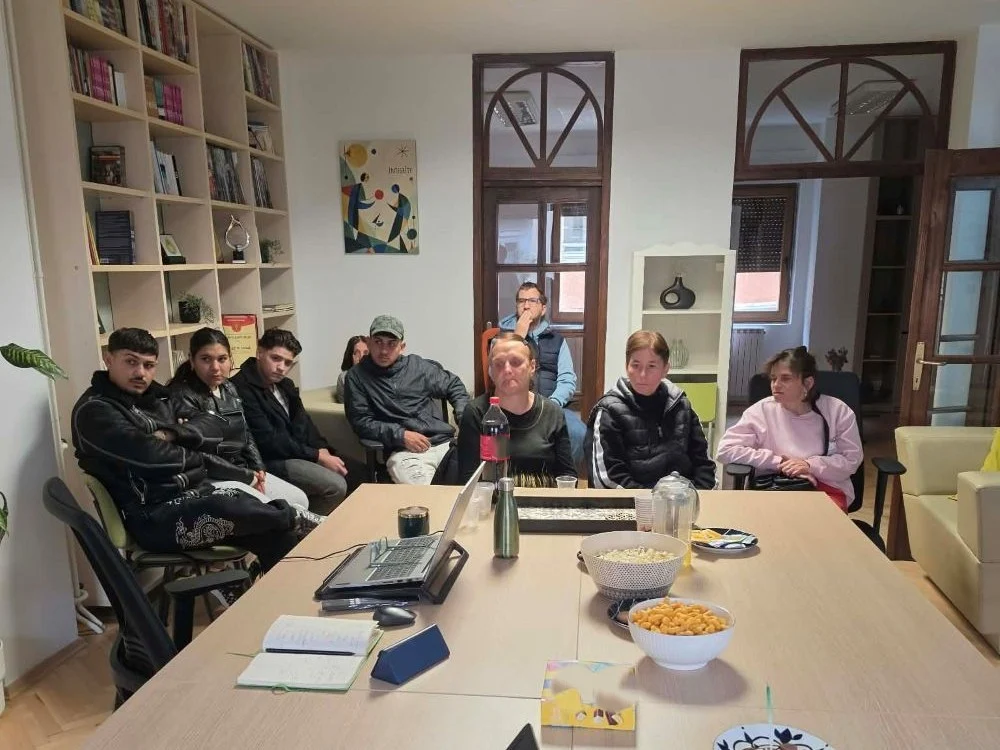
By taking part in Media Literacy Days 2026, Lice v lice highlights the importance of access to reliable information and the development of critical thinking among people with diverse life experiences and opportunities.
Media literacy is not just for journalists, information professionals, or people with formal education. It is an everyday skill that helps us understand the messages we encounter, ask questions, recognize suspicious claims, and make more informed decisions.
This year’s national campaign for Media Literacy Days is held under the motto “We All Play a Part”, in line with UNESCO’s global theme, “We All Play a Part – Media and Information Literacy for the People.”
Media Literacy Days (MLD) take place from 26 October to 2 November, featuring activities that highlight everyone’s role in building a better-informed and more responsible society. The initiative is organized by the Media Literacy Network.